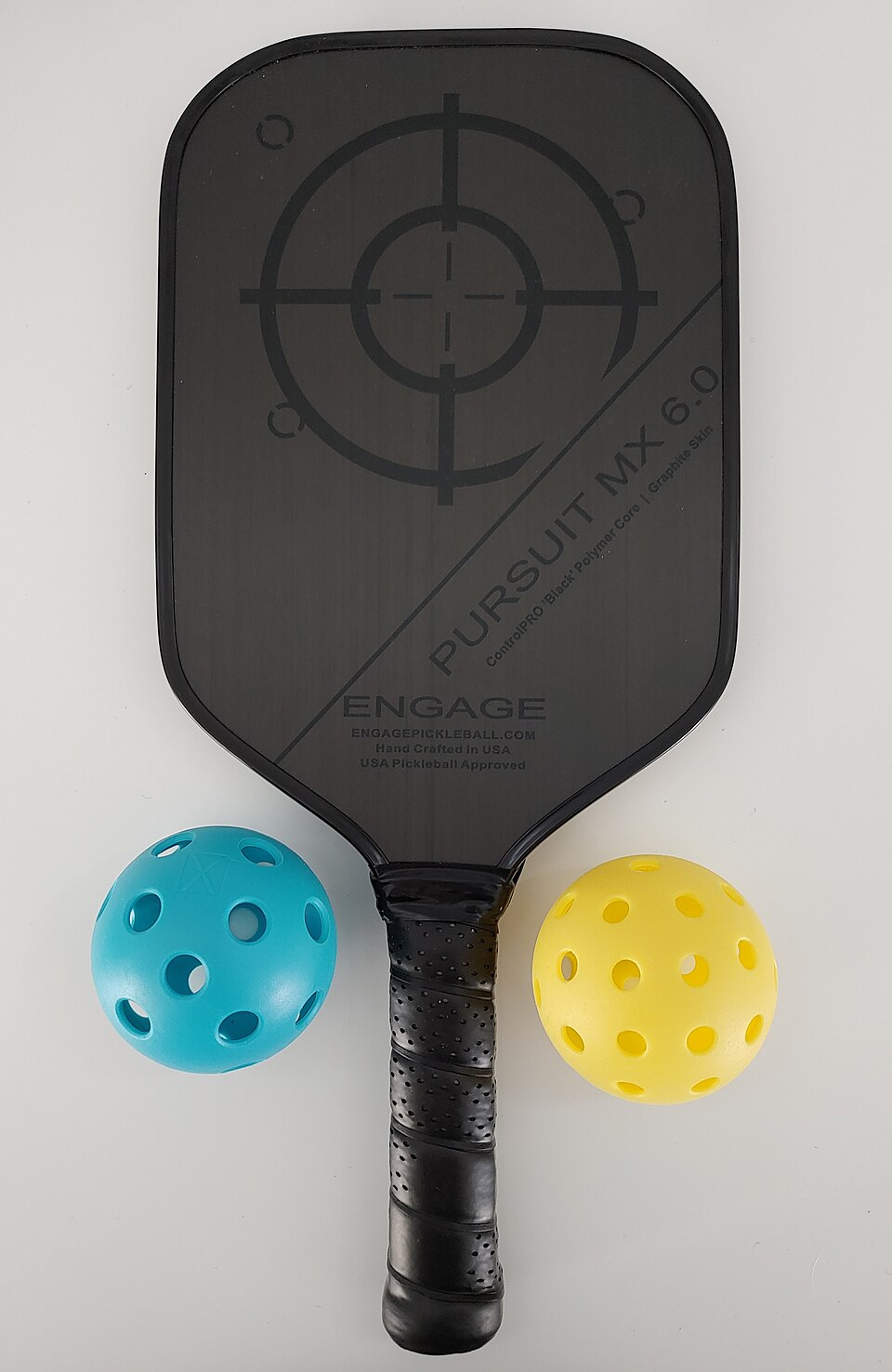
Starter Gear: What You Actually Need (And What's a Waste of Money)
Buying your first pickleball gear? Our starter guide covers the best paddles, balls, and shoes for beginners — without wasting money on the wrong equipment.
The Truth About Pickleball Gear Costs
The gear industry wants you to believe you need a $200 paddle and a custom paddle bag before you step on the court. You don't. Pickleball's biggest advantage over sports like tennis or golf is that you can get started competently for under $150. Here's exactly what you need, and what you can safely ignore for your first six months of play.
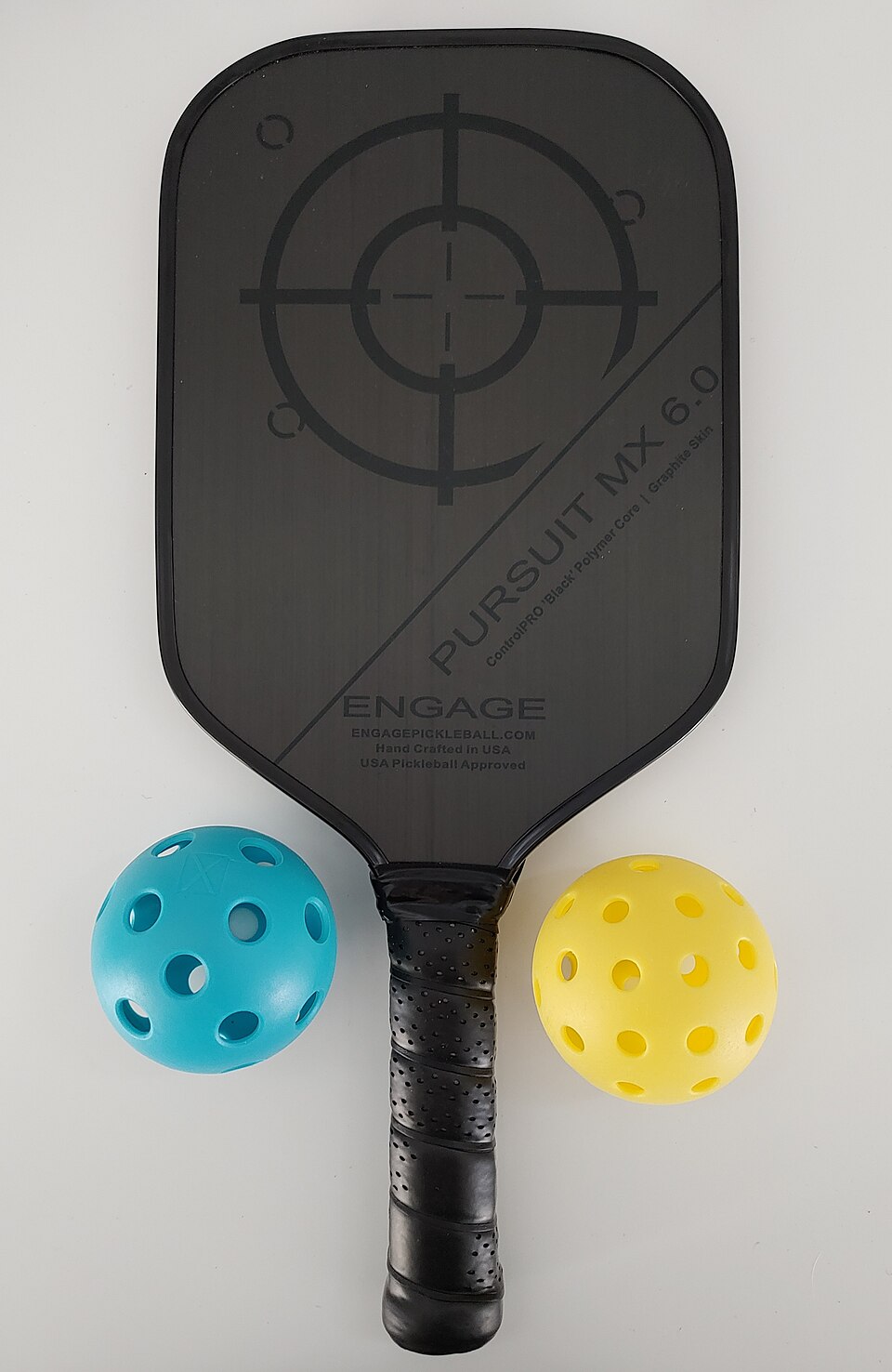
The Paddle: Most Important Decision, Easy to Get Right
Your paddle is the one piece of equipment that genuinely affects how you play, so it's worth understanding before you buy. The good news: you don't need to spend much to get something solid.
Price Range
Skip the $20 Amazon mystery paddle, the face will delaminate within a few months of regular play. The sweet spot for beginners is the $40–$80 range. You'll get a paddle that performs well and lasts 1–2 years of regular play without spending on features you're not ready to use.
Face Material
Graphite is lighter (6.5–7.5 oz typically), more responsive, and gives you better touch and control. Great choice if you're naturally a finesse player.
Fiberglass tends to be slightly heavier and provides a bit more power and forgiveness on off-center hits. Better for beginners still working on consistent contact.
Either works well. Don't overthink it, both materials are used at every level of play.
Weight
Midweight paddles (7.5–8.2 oz) are the standard beginner recommendation for good reason. They offer a balance between power (heavier) and maneuverability (lighter). Lightweight paddles (under 7.5 oz) require more precise technique to generate power. Heavyweight paddles (8.5+ oz) can cause arm fatigue and are typically chosen by experienced players who know they want that extra pop.
Grip Size
Grip size matters more than most beginners expect. A grip that's too large will cause strain; too small and the paddle will twist in your hand. Standard sizes are 4", 4¼", and 4½". If you're unsure, 4–4¼" is a solid starting point for most adult hands. You can always add an overgrip to increase size by ~⅛" at minimal cost.
Recommended Brands for Beginners
Selkirk, Paddletek, Engage, Head, and Gamma all make solid entry-level options. Onix and Franklin also have well-regarded budget lines. Buy from a brand with a return policy if possible, so you can swap if the weight or grip doesn't feel right.
Court Shoes: Non-Negotiable
This is the item most new players try to skip and regret it. Running shoes are not designed for lateral movement. Pickleball involves rapid side-to-side cuts, quick stops, and a lot of time on the balls of your feet. Running shoes have cushioning designed for heel-to-toe movement, they wear down fast on hard court surfaces and increase your risk of ankle rolls.
Dedicated court shoes, marketed as tennis shoes, volleyball shoes, or racket sport shoes, are engineered for lateral stability and hard court durability. The outsole material is specifically designed to grip hard courts without tearing. Brands like K-Swiss, ASICS, Nike Court, New Balance, and Adidas all make reliable options in the $70–$110 range.
If you play more than twice a week, court shoes also protect your joints. The lateral cushioning is meaningfully different from running shoe cushioning. Your knees and ankles will notice the difference after a few sessions.
Balls: Probably Not Your Problem Yet
Most open play sessions provide balls. If you're playing with a group at a public court without organized open play, you might need to bring a few. The split is simple:
- Outdoor: Dura Fast 40s or Franklin X-40s, harder plastic, more holes, designed for wind resistance on outdoor surfaces
- Indoor: Jugs or Onix indoor balls, softer, fewer holes, designed for smooth indoor courts
A three-pack runs $8–$12. Outdoor balls wear out faster than indoor balls (the hard plastic cracks), expect to go through them if you play regularly outdoors.
What's a Waste of Money Right Now
The following items are marketed aggressively to pickleball players and are not necessary for anyone in their first year:
- Paddle bags and backpacks: Any backpack you own will hold your paddle, a can of balls, and a water bottle. Dedicated pickleball bags add zero to your game, they're lifestyle products.
- Compression sleeves and elbow braces: Unless a doctor told you to protect a preexisting injury, skip these. The industry loves selling "injury prevention" gear; the evidence for preventive use in healthy players is thin.
- Pickleball-branded apparel: Whatever quick-dry athletic wear you already own works perfectly. Moisture-wicking shorts and a breathable shirt are all you need. The branded apparel lines are fashion, not function.
- A "guest" paddle: Wait until someone actually commits to playing before buying a second paddle. Most people will borrow yours once and not show up again.
- Lead tape for paddle weighting: This is for players who have played extensively, identified specific performance issues with their paddle, and want to fine-tune it. You're not there yet.
- Specialized training gear: Ball hoppers, portable nets, and rebounder nets are for people who practice alone. Start with open play where everything's provided.
When to Upgrade Your Paddle
Here's the honest signal: upgrade your paddle when you've played 20+ times and your game has improved enough that you can feel specific limitations in your current equipment. Maybe you're generating consistent topspin and want a carbon fiber surface for better spin. Maybe you've figured out you want a heavier paddle for more pop. Maybe your grip size is clearly wrong.
Most new players buy their second paddle after 3–6 months of regular play. By then you'll have a clear sense of what you want from an upgrade. Buying a performance paddle before that point means spending on features you're not ready to use.
The Honest Starting Setup
Solid midrange paddle: $60–$80. Court shoes: $70–$100. Total investment: $130–$180. That setup will last you a full year of regular play and serve you well as you develop your game.
Resist the temptation to optimize your gear before you've optimized your fundamentals. The paddle doesn't make the player. Time on the court does.
Find Courts Near You
Once your gear is sorted, the next step is getting on the court. Search PickleballCurator.com to find pickleball courts in your area, filter by indoor or outdoor, look for open play schedules, and get playing.
Related reading: Also check out our guides on beginner's guide to pickleball rules and find pickleball courts near you.
Frequently Asked Questions
What do I need to start playing pickleball?
To start playing pickleball, you need three essentials: a pickleball paddle ($25-$150), pickleball balls ($10-$15 for a 3-pack), and court shoes with non-marking soles. That's it — you don't need expensive gear to get started.
What is a good beginner pickleball paddle?
Good beginner paddles cost $25-$60 and feature a composite or fiberglass face with a thicker core for a larger sweet spot. Look for a midweight paddle (7.5-8.5 oz) — it provides a good balance of power and control for new players.
Do I need special shoes for pickleball?
While you don't need pickleball-specific shoes, you should wear court shoes with non-marking soles and good lateral support. Tennis shoes, volleyball shoes, or indoor court shoes all work well. Running shoes are not recommended because they lack the lateral support needed for pickleball's side-to-side movements.
How much does it cost to get started with pickleball?
A basic pickleball setup costs $35-$80: a beginner paddle ($25-$60), a pack of balls ($10-$15), and court shoes (if you don't already own suitable shoes). Many recreation centers provide paddles and balls for beginners during open play sessions.